Agent 64: Spies Never Die Disguises & Stealth Tactics
When to holster your weapon, how disguises work, and missions where patience beats firepower.
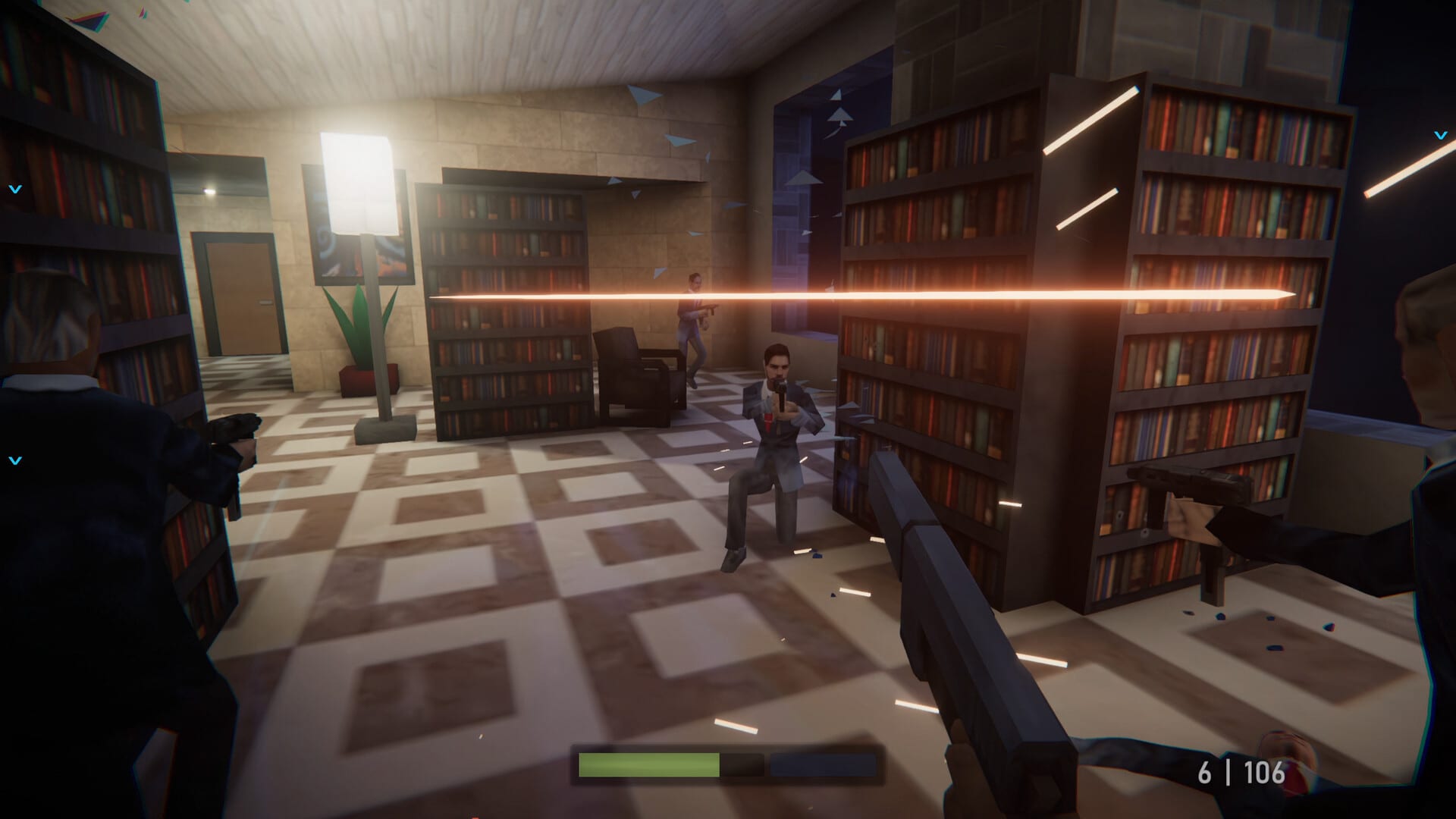
Agent 64: Spies Never Die sells a spy fantasy, but it is still a retro FPS at heart. Stealth is situational, not a full immersive-sim sandbox like later stealth classics. You will spend most missions hip-firing through guard squads — and that is intentional GoldenEye DNA. Even so, several operations give John Walter a disguise, demand holstered weapons in restricted zones, or reward silenced pistol eliminations before alarms spread. Knowing when stealth beats gunplay saves ammo, preserves body armor charges, and prevents fail states on hostage-heavy Special Agent objectives. This guide covers disguise mechanics, blending behavior, mission examples, and co-op stealth workflows linked across the wiki walkthroughs.
How disguises work
Disguises appear as mission-specific outfits rather than an inventory item you swap freely. When the briefing assigns undercover work, Walter wears preset clothing — maintenance coveralls in corporate towers, formal wear in social venues, or staff uniforms in secure facilities. While disguised:
- Weapons must stay holstered in designated zones marked by objective text or map geography.
- Running or aiming in front of authority figures can trigger suspicion depending on the segment.
- Completing the recon objective (find the keycard, locate the manager, photograph intel) typically ends the undercover phase and transitions to combat.
Disguises are not a full social stealth sim. Guards do not simulate deep investigation loops — think light cover rather than Hitman crowds. Critics in the Review Roundup note that even stealth-forward segments often explode into firefights once the fetch objective completes. Plan for violence after the quiet part.
Blending in effectively
Walk, do not sprint. Retro movement already lacks modern sprint; disguised segments punish panic running near patrols.
Follow civilian traffic. Nightclub and museum maps place NPC clusters you can mirror. Stick to edges when guards scan open floors.
Interact promptly. Undercover timers sometimes start when you enter a zone. Know your target — security office, art wing, VIP booth — from Early Missions notes before entering.
Holster before crossing door triggers. Many alarm states fire the moment you aim down sights in a restricted room, not when you fire. Train muscle memory from Controls & Settings to swap holster quickly.
Use silencers before disguises break. The silenced pistol most missions provide can delete lone guards without waking a floor. One quiet kill prevents a squad rush during a later hack — see Skyscraper server room tactics in the walkthrough.
Stealth versus gunplay
Stealth wins when:
- Ammo is scarce and heavy weapons should be saved for extraction waves.
- Hostages or civilian density make wild shooting fail Special Agent and 64 Agent runs.
- Alarm lockdowns seal shortcuts you need for par times or cypher grinding on Difficulty Modes.
- Co-op partners need time on terminals while you quietly clear a side corridor.
Gunplay wins when:
- Disguise segments end and extraction timers start.
- Groups stack in doorframes where retro auto-aim shines.
- 64 Agent adds simultaneous objectives — stealthing everything wastes clock.
- Paradox modifiers like Big Heads or No Reloads turn stealth plans into comedy combat anyway.
The skill is recognizing the phase shift. Museum gallery recon is stealth; vault escape is guns. Nightclub social floor is stealth; back-room hostage rescue is controlled bursts.
Mission examples
Skyscraper (Mission 1)
Corporate infiltration teaches silencer discipline before disguises appear later. Clear isolated cubicle guards quietly so the server hack does not attract a floor-wide rush. Co-op partners should assign one player to watch the hack door while the other peeks side offices for armor pickups documented in Body Armor & Survival.
Nightclub (Mission 2)
Social stealth dominates the opening movement. Locate the security keycard and manager without drawing weapons on the dance floor. Split-screen duos benefit from one player scouting VIP areas while the other holds near staff corridors — tactics expanded in Co-Op Guide.
Museum (Mission 3)
Art gallery segments require undercover movement through public wings before vault objectives. Patrol routes matter; learn them on Agent, then execute clean Special Agent intel pickups. Rushing voids optional objectives that feed cypher totals on Cyphers & Progression.
Harbor and Train (mid-campaign)
These maps lean combat-heavy, but Train tight corridors reward silenced opening kills before alarms compress your movement. Harbor crane sections punish players who alert dock guards early — stealth the perimeter, then detonate objectives with planned loadouts from Weapons Tier List.
Luxury Liner (finale arc)
Multi-deck civilian density makes stealth valuable on higher tiers. Controlled silencer clears preserve health for timed extraction — pair with Finale Missions routing tables.
Gadgets and stealth
Gadgets are objective tools more than stealth toys. Flash and smoke grenades create windows to reposition or revive a downed co-op partner near an interactable. Remote mines belong to loud phases after stealth ends. Do not expect Perfect Dark-era cloaking — gadgets supplement gunplay when stealth breaks.
Co-op stealth coordination
Shared fail states mean one player’s gunshot fails everyone. Agree on who leads undercover segments. Use voice or couch signals before crossing into restricted zones. When stealth ends, call roles: hacker on terminal, cover on door, third co-op agent (online) flanks alternate spawn paths unique to four-player sessions.
When stealth fails
Alarms are recoverable but costly. Fall back to door chokepoints — retro level design favors narrow entries. Save automatic weapons for alarm waves; pistols for cleanup. If health drops critically, remember there is no mid-mission heal — only body armor pickups you may have skipped while sneaking.
Related pages
- Body Armor & Survival — one-life design after stealth ends
- Difficulty Modes — extra objectives that force stealth discipline
- Early Missions — Nightclub and Museum step-by-step
- Weapons Tier List — silencer versus loud loadouts
Agent 64 stealth is a tool, not the whole game. Master disguises and silencers where missions offer them, then transition confidently into the retro shootout the campaign becomes. That hybrid rhythm is what separates Walter from a generic action hero.
Frequently Asked Questions
Quick answers to the most common questions.
Does Agent 64 have a full stealth system?
No. Stealth is mission-phase limited — disguises, holstered weapons, and silencers matter in specific segments, but most operations end in direct combat.
Can guards detect me while disguised?
Yes in restricted zones. Sprinting, aiming, or entering unauthorized areas can trigger alarms depending on the mission segment.
Which missions use disguises?
Nightclub and Museum are standout examples with undercover movement before combat phases. Skyscraper teaches silencer stealth earlier.
Does the silenced pistol work for full stealth clears?
It helps with lone guards, but alerting one enemy often wakes nearby squads. Use it to delay alarms, not eliminate every threat silently.
Does co-op break stealth if one player shoots?
Shared fail states apply to objectives and alarms. One loud gunshot can fail hostage or stealth-adjacent goals for the whole squad.